When you step into a truly luxurious home, the first sensation is typically calm. A sense of order. That everything is exactly where it should be.
That feeling doesn’t come from obtaining the rarest slab of marble for the kitchen countertop, or the glitziest chandelier to hover in the dining room.
It comes from the small design details that you might not notice at first glance.
Luxury home interior design is born from precision. It’s the accumulation of subtle, disciplined decisions made early, and often invisible to the untrained eye, that separate a well-decorated home from one that feels refined.
These quiet details eliminate friction, and help a home to function intuitively. And in doing so, they create serenity. We’re here to lift the veil on the invisible elements we integrate in our designs that carry the most weight.
Stylist: Martin Bourne
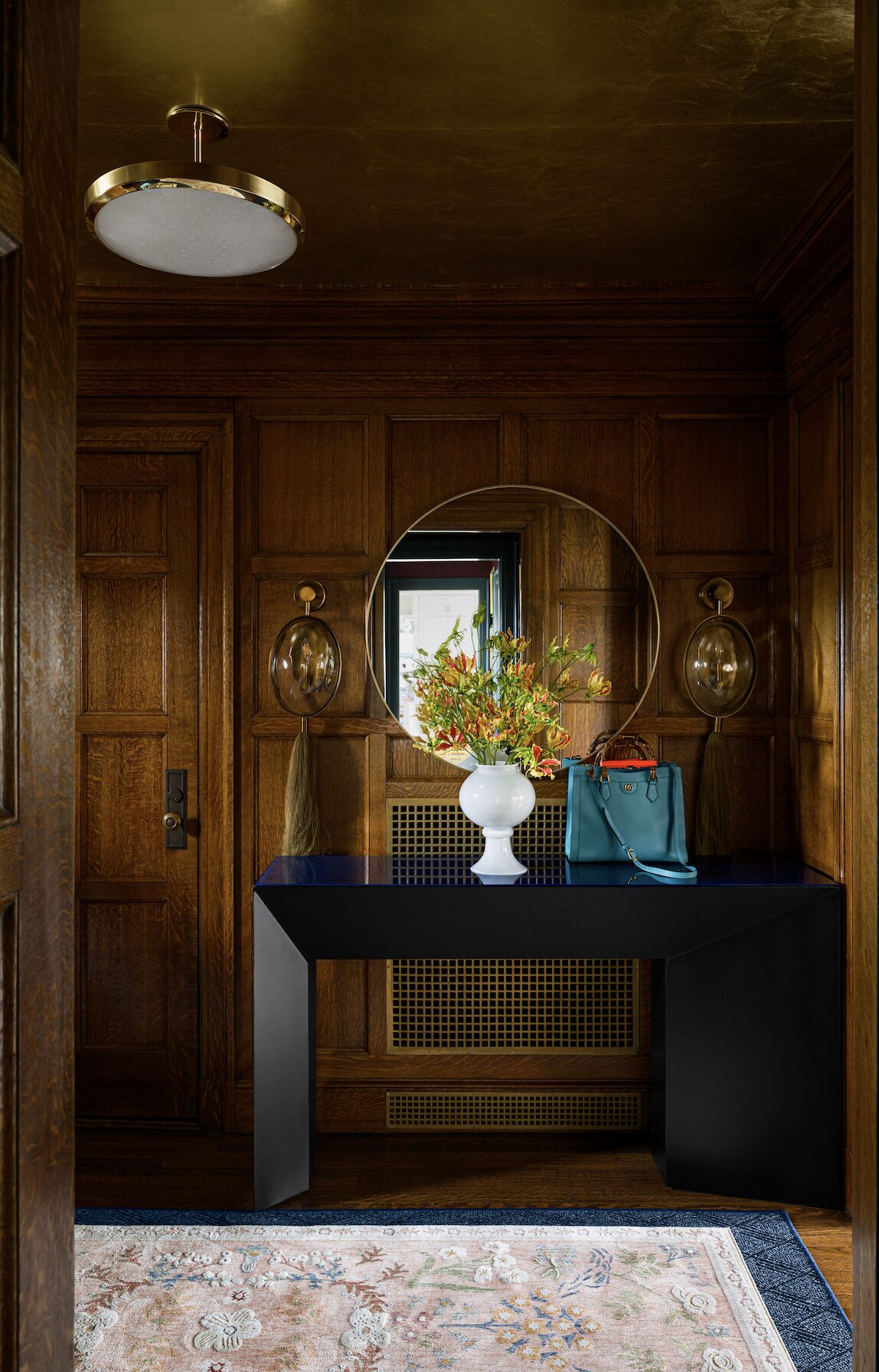
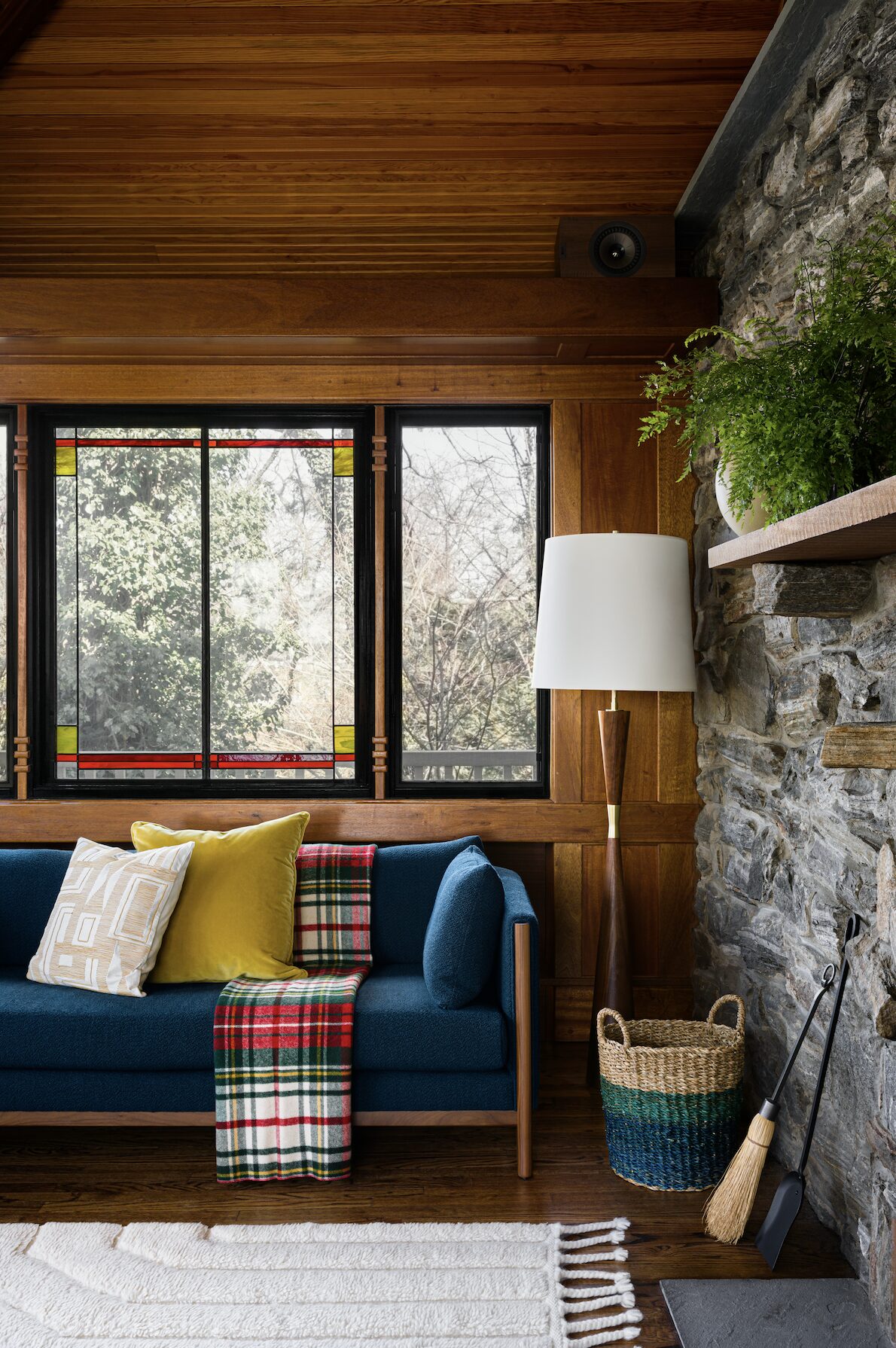
Architectural Trim & Millwork Depth: The Foundation of Luxury Home Interiors
Luxury must be embedded in the architecture itself. It cannot be applied after the fact.
Trim, for instance, is not simply a finishing touch, but a framing device. It defines walls and windows. Anchors doors. Signals transitions from one room to another.
Shallow trim flattens a space, but deeper casing profiles create shadow lines that introduce depth and dimension. They allow light to interact with architecture in subtle, beautiful ways.
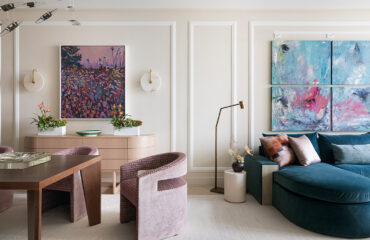
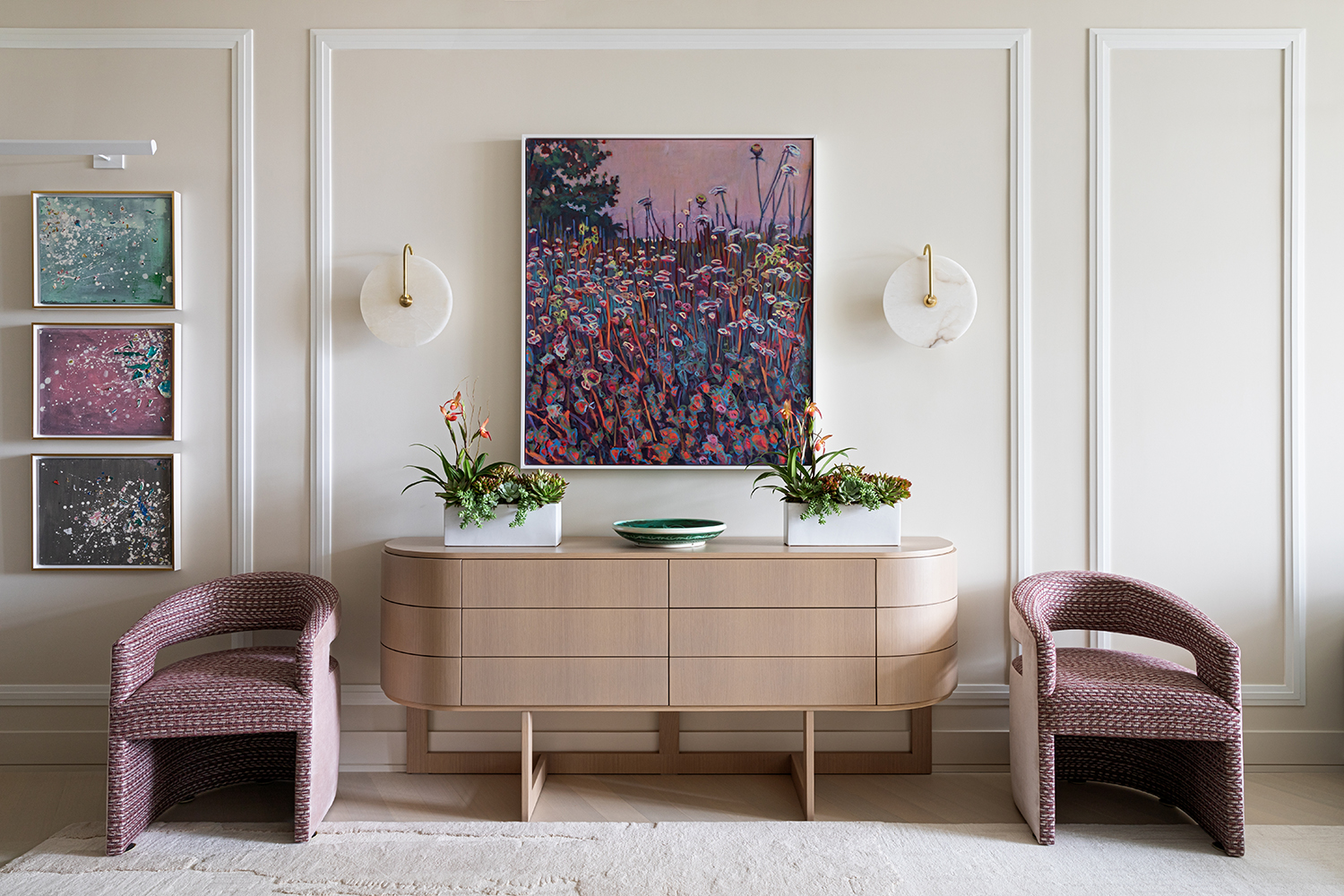
In our 200 Amsterdam project (pictured above), crisp, classic wainscoting provided structure within a contemporary setting. The millwork grounded the room, while modern artwork and geometric furnishings introduced energy. The architecture held the tension, which made the contrast feel intentional rather than overly busy.
Subtle millwork shifts like these elevate a room without needless ornamentation. That’s the difference between decoration and design.
Hardware Scale in High-End Home Interior Design: Why Proportion Signals Confidence
Scale signals confidence.
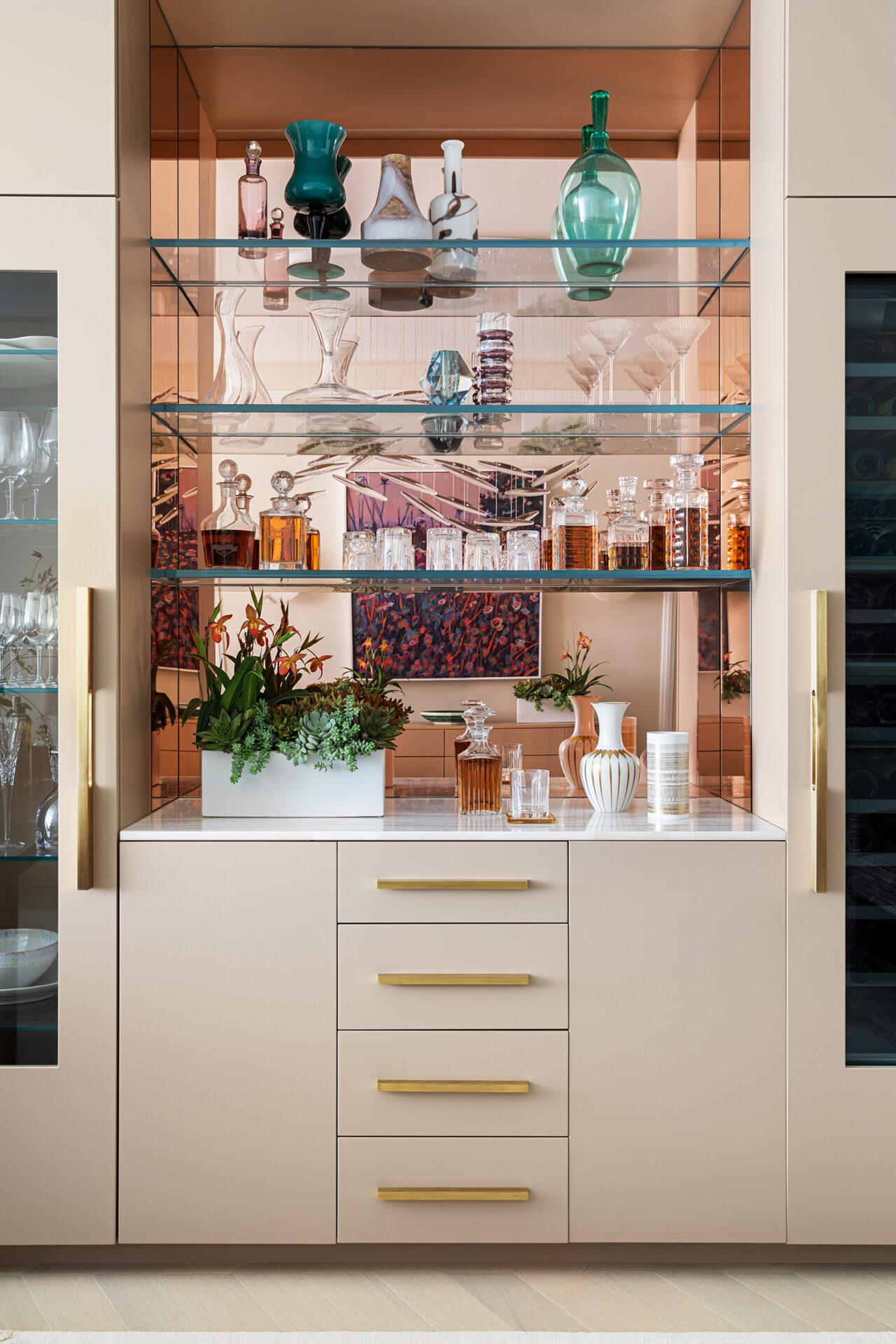
Hardware may seem minor, but it has disproportionate influence. Undersized pulls can make even bespoke cabinetry feel generic. The occasional oversized hardware, when chosen thoughtfully, introduces strength and clarity.
We approach hardware the way one might approach fine jewelry. Intentional, proportional, balanced. The length of a pull relative to the drawer width. The weight of a knob against the density of the millwork. The decision to mix metal finishes, like brushed brass and polished nickel, must feel curated.
These are millimeter decisions, but they shape how custom truly feels custom.
Stylist: Martin Bourne
Stylist: Martin Bourne
Ceiling Design & Vertical Proportion: Elevating Luxury Through Subtle Shifts
The ceiling is often the most overlooked surface in a home. Yet it holds enormous power.
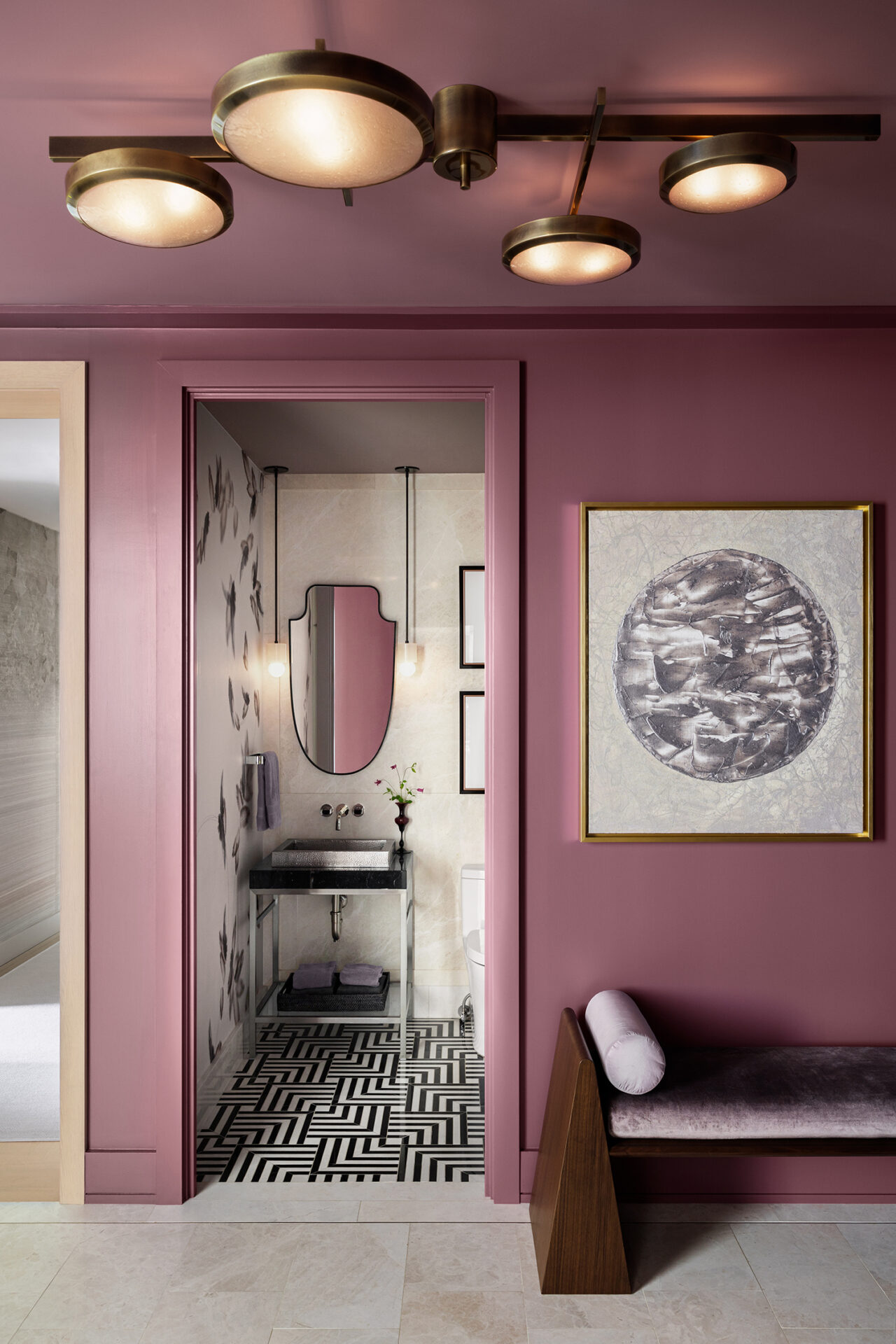
We feel height. It influences whether a room seems expansive or intimate. By subtly shifting ceiling paint, even a few tones lighter or darker than the walls, we can elongate proportions, amplify natural light, or create cocoon-like warmth.
Stylist: Martin Bourne
Stylist: Martin Bourne
In the entryway of 200 Amsterdam, we washed the ceiling in a lighter interpretation of the mauve walls. That nuance draws the eye upward to increase perceived height and highlight the architectural fixture suspended overhead.
True luxury design considers every plane as part of a cohesive composition.
Strategic Lighting Design: How Placement Creates Atmosphere and Calm
Lighting creates an atmosphere.
Harsh, indiscriminate overhead lighting immediately disrupts a space. Instead, we approach lighting as an architectural exercise. We place recessed fixtures symmetrically, with dimmers, for optimal control.
And sophistication lies in layering:
- Ambient lighting to establish overall glow
- Task lighting to support function
- Accent lighting to highlight art or millwork
- Attention to where natural light falls in a space
Placement matters more than fixture selection, too. An exquisite pendant cannot compensate for poor layout. That’s why we engineer lighting early on in our designs for a result that feels effortless at every hour of the day.
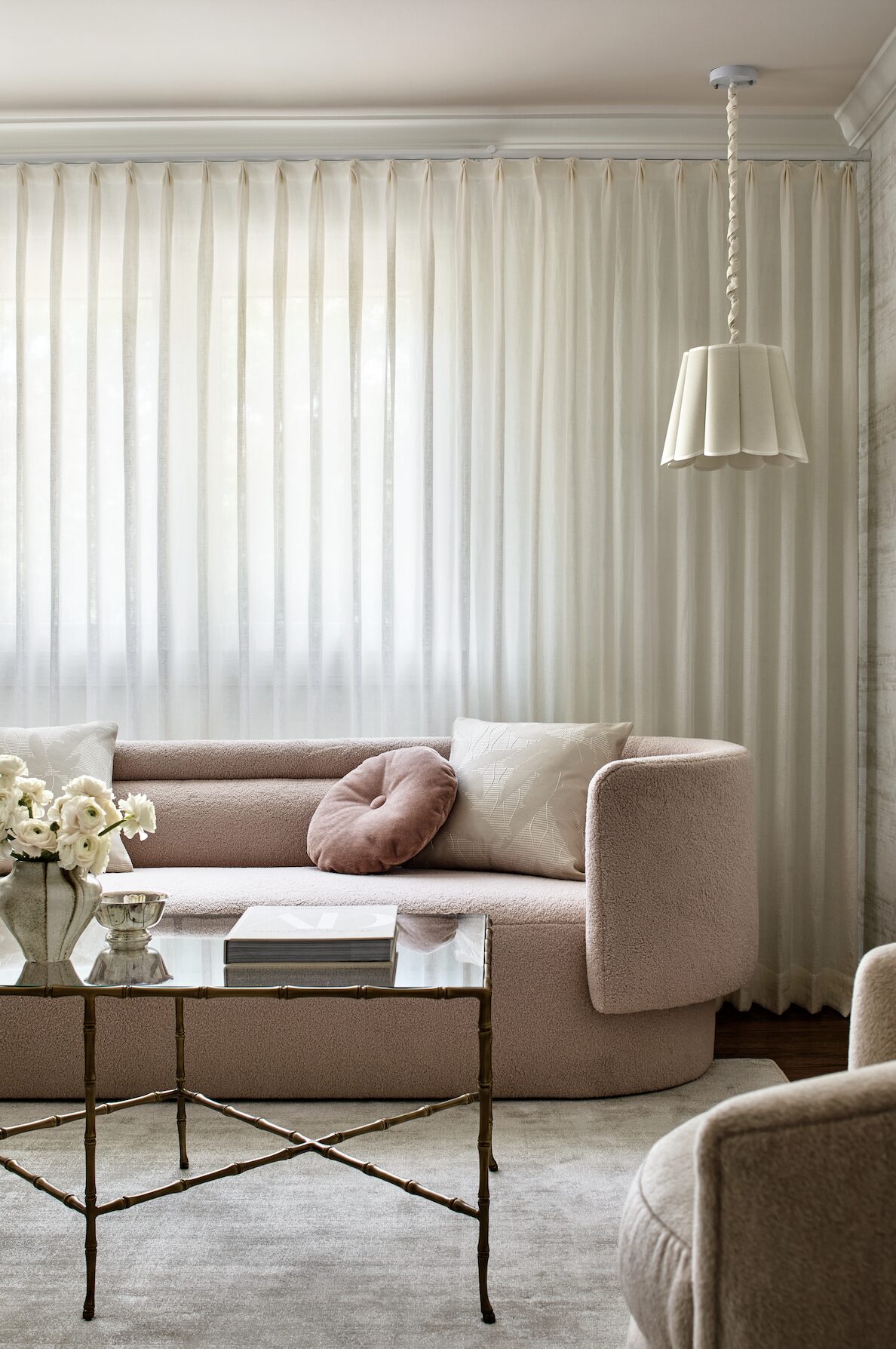
Stylist: Kristi Hunter
Outlet & Switch Placement in Luxury Home Interior Design: Eliminating Visual Noise
Outlet and switch placement rarely receives attention in casual renovations, yet it can determine whether a room feels seamless or cluttered. Aligning outlets with millwork lines and concealing them with cabinetry where appropriate, or planning for charging stations and lamps before drywall goes up are the kinds of decisions that prevent visual disruption later on.
It’s easier to design for convenience at the blueprint stage than to solve for it afterward.
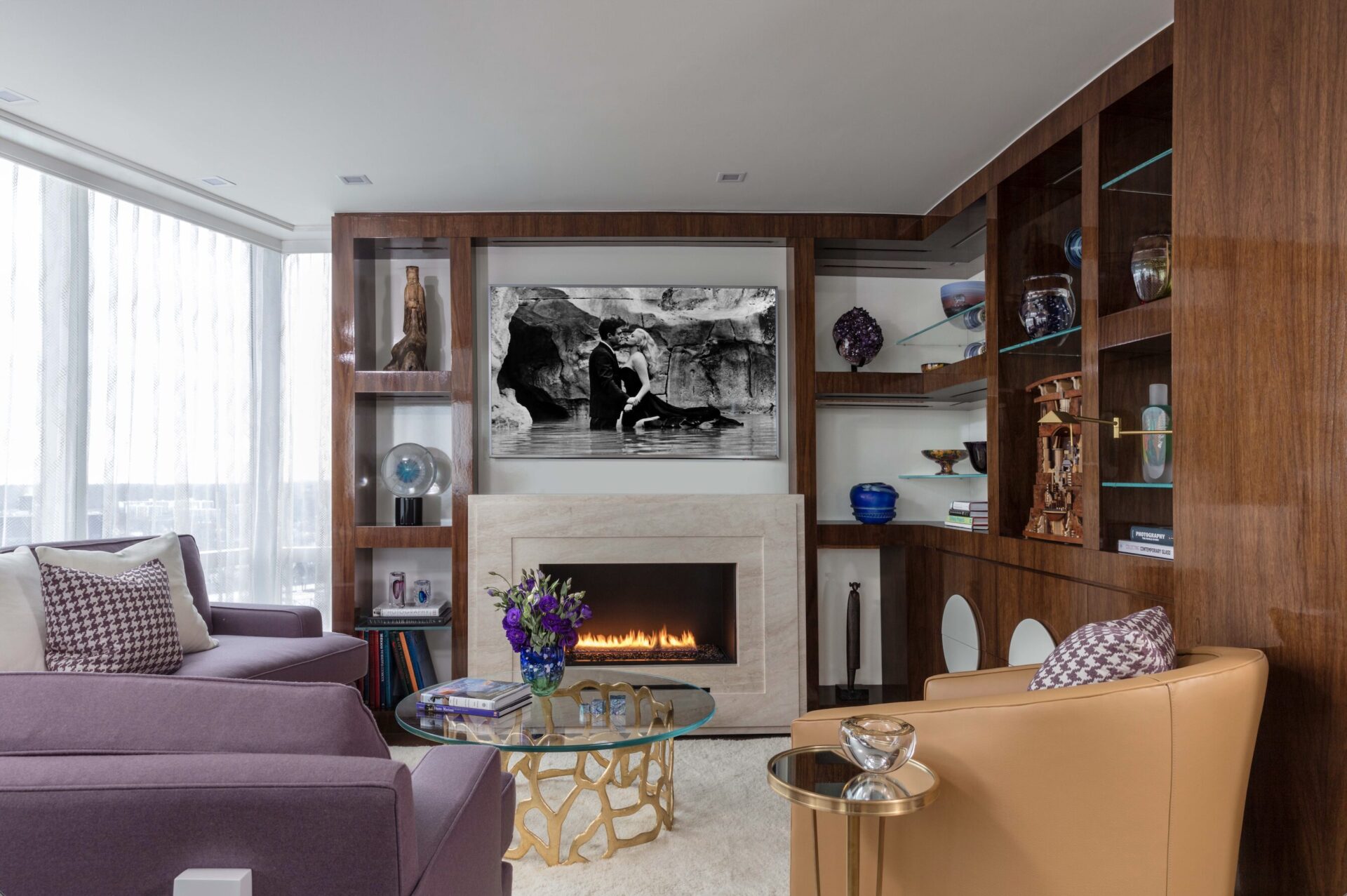
Custom Millwork Proportion: Designing Built-Ins That Feel Architectural
Custom millwork should feel inherent to the home.
We study proportion carefully. Ceiling-height built-ins create permanence and authority. Varying depths introduce architectural rhythm. Aligning shelves and cabinetry with existing windows and casings ensures cohesion.
That sense of permanence is one of the defining traits of luxury.
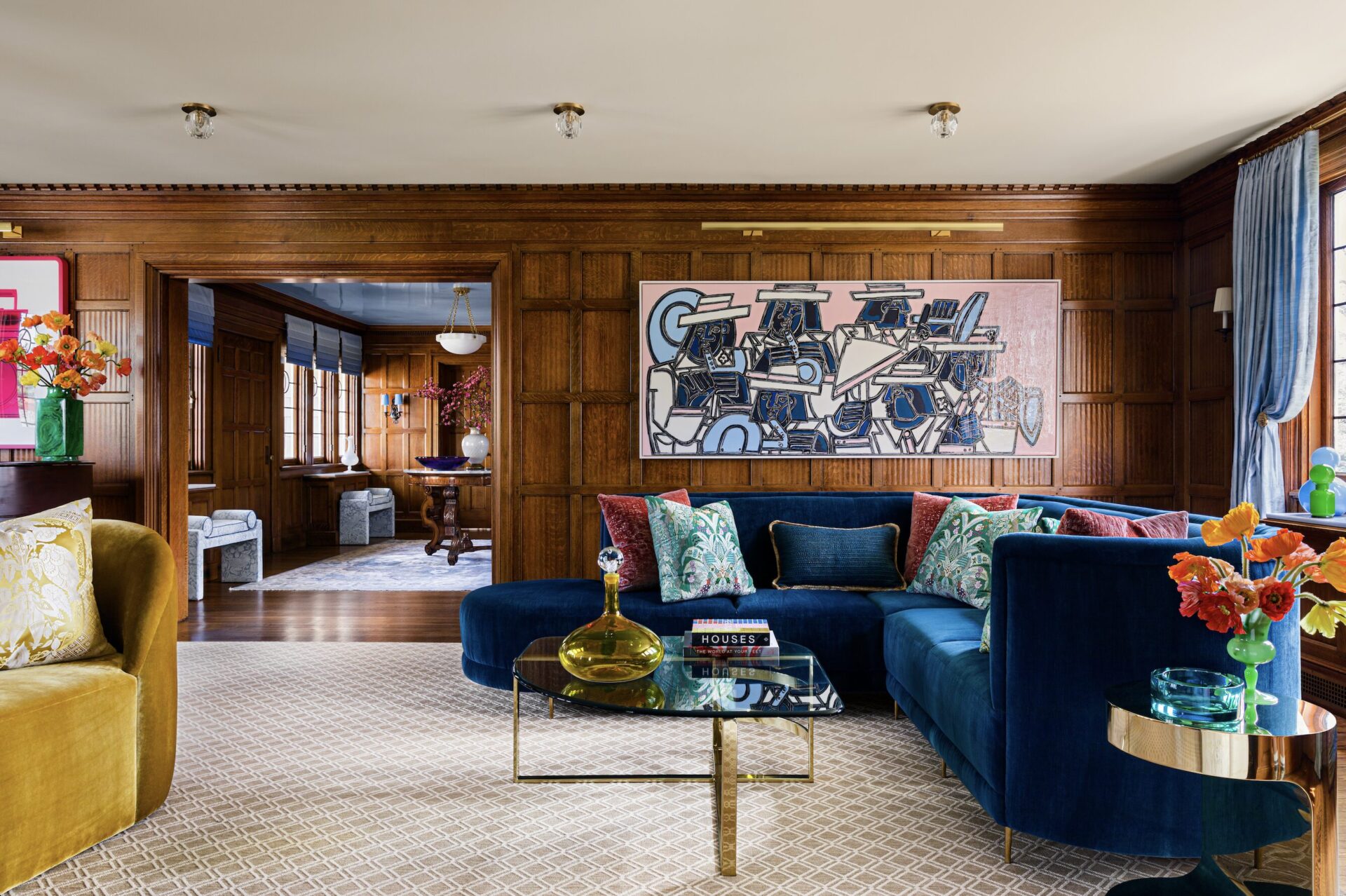
Stylist: Martin Bourne
Precision Over Excess: The True Mark of Luxury Home Interior Design
Small adjustments ripple outward. A half-inch shift in trim depth, or a slightly longer hardware pull. A ceiling tone softened just enough to catch light differently, or well-placed accent lighting that illuminates your prized art collection.
Precision at the beginning prevents compromise later.
This is why structured, organized design leadership matters. These decisions must be embedded into the architectural plan from day one.
The Quiet Authority of Thoughtful Interior Design
Effortless homes are the most carefully constructed. They’re built on dozens, sometimes hundreds, of small decisions that one might not notice individually, but can be felt collectively.
If you’re curious how these invisible details could transform your home, we’d welcome the conversation.